
office@zambezistrategy.com
We built this team one hire at a time.
That sounds like a small thing to say, but it's the whole story. There was no funding round that let us assemble a department in a month. We found people because the work in front of us needed them, not because a certain headcount looks more credible on a page. That's still how we hire.
We're a boutique firm, and we've come to think that's an advantage, not something to apologise for. Everyone on this team can tell you exactly who we are, what we do, and why we do it that way. There's no gap between the person you talk to and the person who actually understands your work. We put the client first because there's nowhere to hide behind, and honestly, we like it that way. We built the team through independent contracting on purpose, not as a compromise. It gives people an autonomous way of working, on their own terms, inside a shared framework rather than a rigid one. That's the kind of team we set out to build.
The people who've joined have brought their own scars into the work, and that's the point. Some came from tech, having built things that attracted serious outside backing before they ever came to us. Our partnerships work is led by people who've sat across the table from a client mid-objection and had to actually answer, not deflect, the hard question, the pushback, the “convince me.” Our consultant has spent more than twenty years in this industry, long enough to have taught parts of it to other people. None of them needed us to hand them credibility. They brought their own.
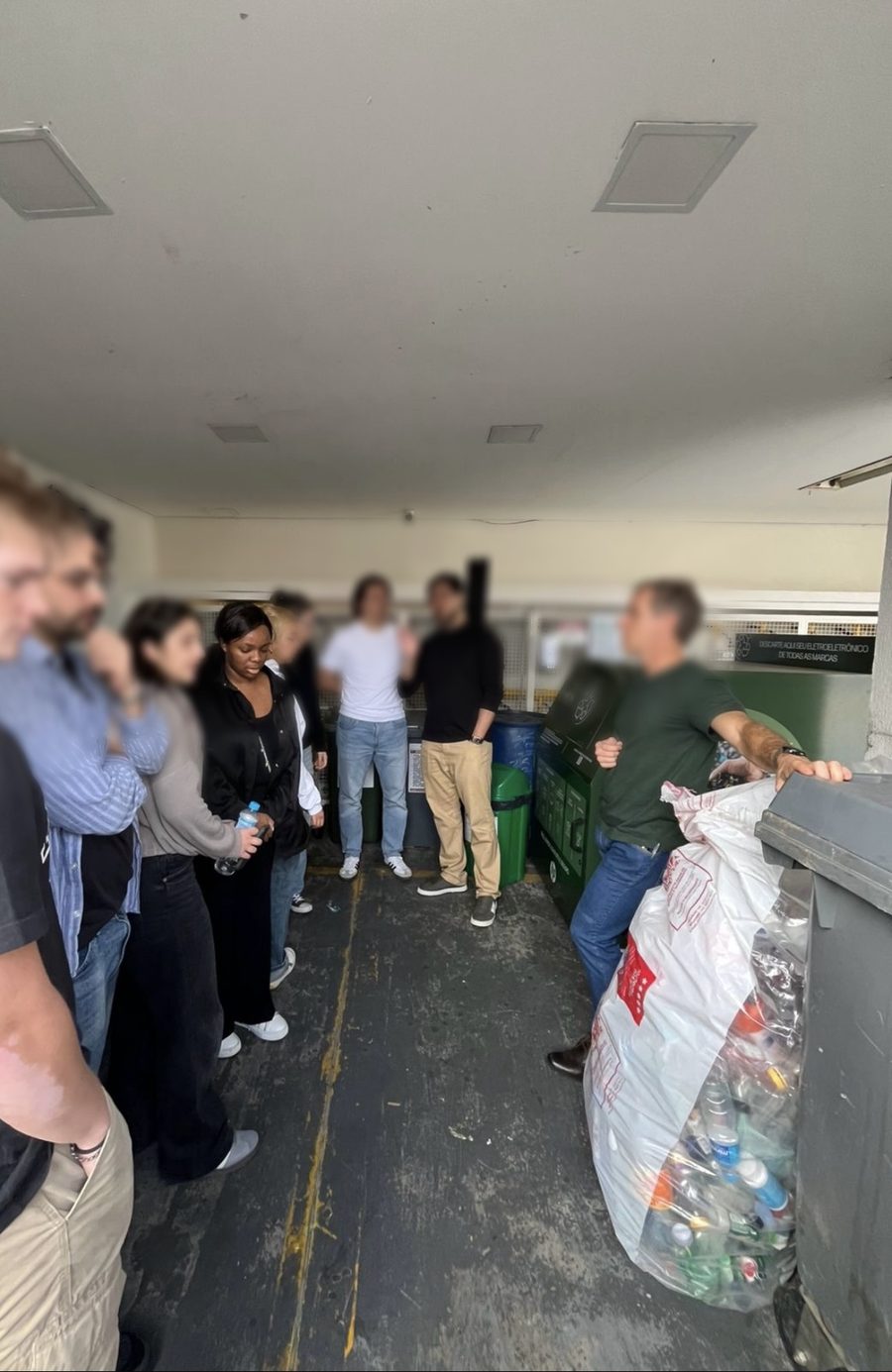
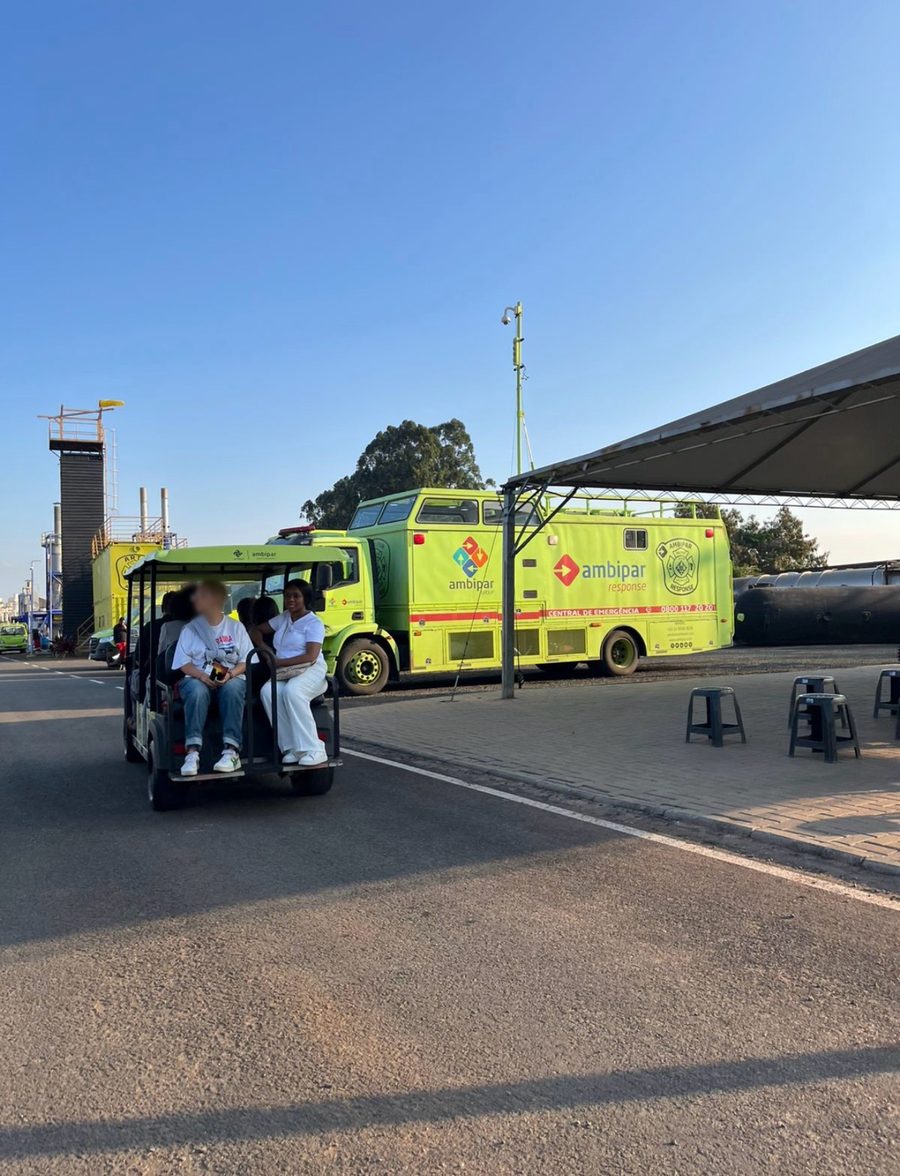
My own studies are in London, where my focus is luxury brand management. I worked in luxury hospitality and luxury wellness at the same time. During my second year I completed a program at FGV EAESP in Brazil on the circular economy, and it showed me something I didn't expect: that luxury can exist in sectors nobody thinks to look for it in. I visited Ambipar and watched a waste management operation up close, and saw that same logic at work in a place I'd never have guessed to find it.
I've experienced, more than once, a particular kind of question that never quite says what it means. Not “is your work good,” but something closer to why do you have the confidence to do this? Why are you the one doing it? It rarely arrives as anything you could point to directly, which is exactly what makes it effective. There's nothing to argue with, only a feeling you're left holding. I'm not the only person this happens to. It happens to a lot of people who look like me, come from where I come from, and decide to build something anyway. When what you're building doesn't resonate with what other people expect from someone like you, skepticism isn't a possibility, it's a certainty. That's fine. I have a passion for this work, and no one gets to decide I don't get to have it. Neither do the people on this team who share it. Nobody's stopping any of us.
We're not an outlier for trying to build something young, on this continent, from scratch. We're part of the most entrepreneurially active generation anywhere in the world. The question was never whether people like us should be doing this. We already are, in numbers too large to be an exception.
That's the belief underneath everything at ZSG, and it didn't come from a slide. It came from watching a waste site in Brazil and a mineral supply chain in southern Africa and realising they run on the same logic: value exists everywhere, and the only question is who's positioned to see it and capture it before someone else does.
Build a team of people who've each seen that logic play out somewhere different, and you stop needing to argue who you are. You just are, and it shows in what you can point to.